
The parts a remodel never shows
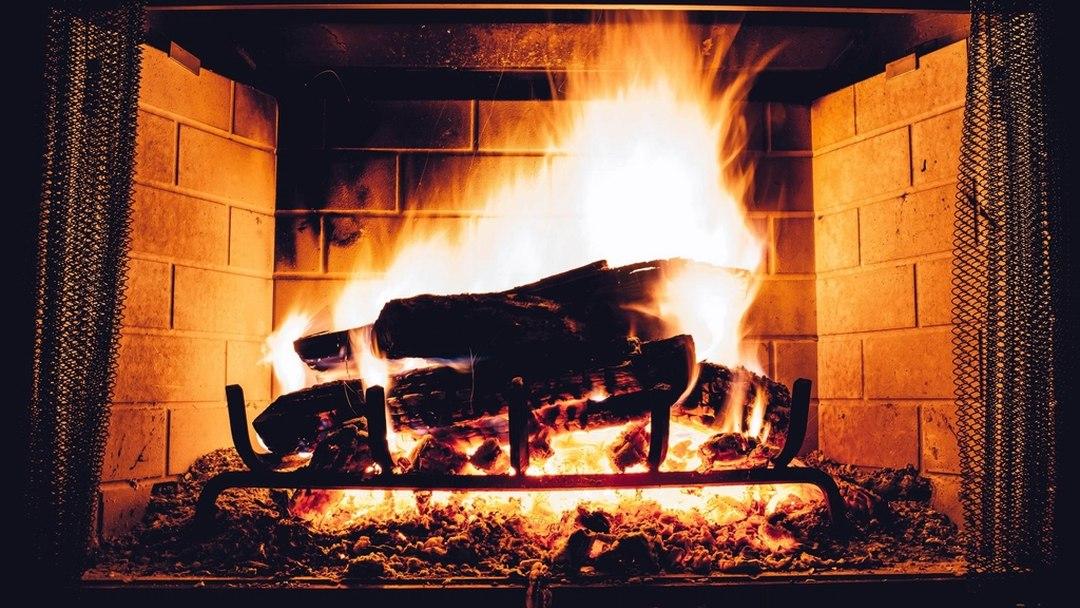
A remodel changes what you see: the surround, the mantel, the hearth. Three parts you never see from the sofa decide whether that new hearth works and stays dry. On a brick chimney it is the crown up top. On a framed chimney it is the chase cover. Inside the throat of the fireplace it is the damper. In Dana Point we look at all three on every remodel, and they are the repairs we price most often next to a new face.
None of them carries a list figure, because sizes and conditions vary from house to house. What follows is what each part does, how it fails, and how we arrive at the number.
The crown
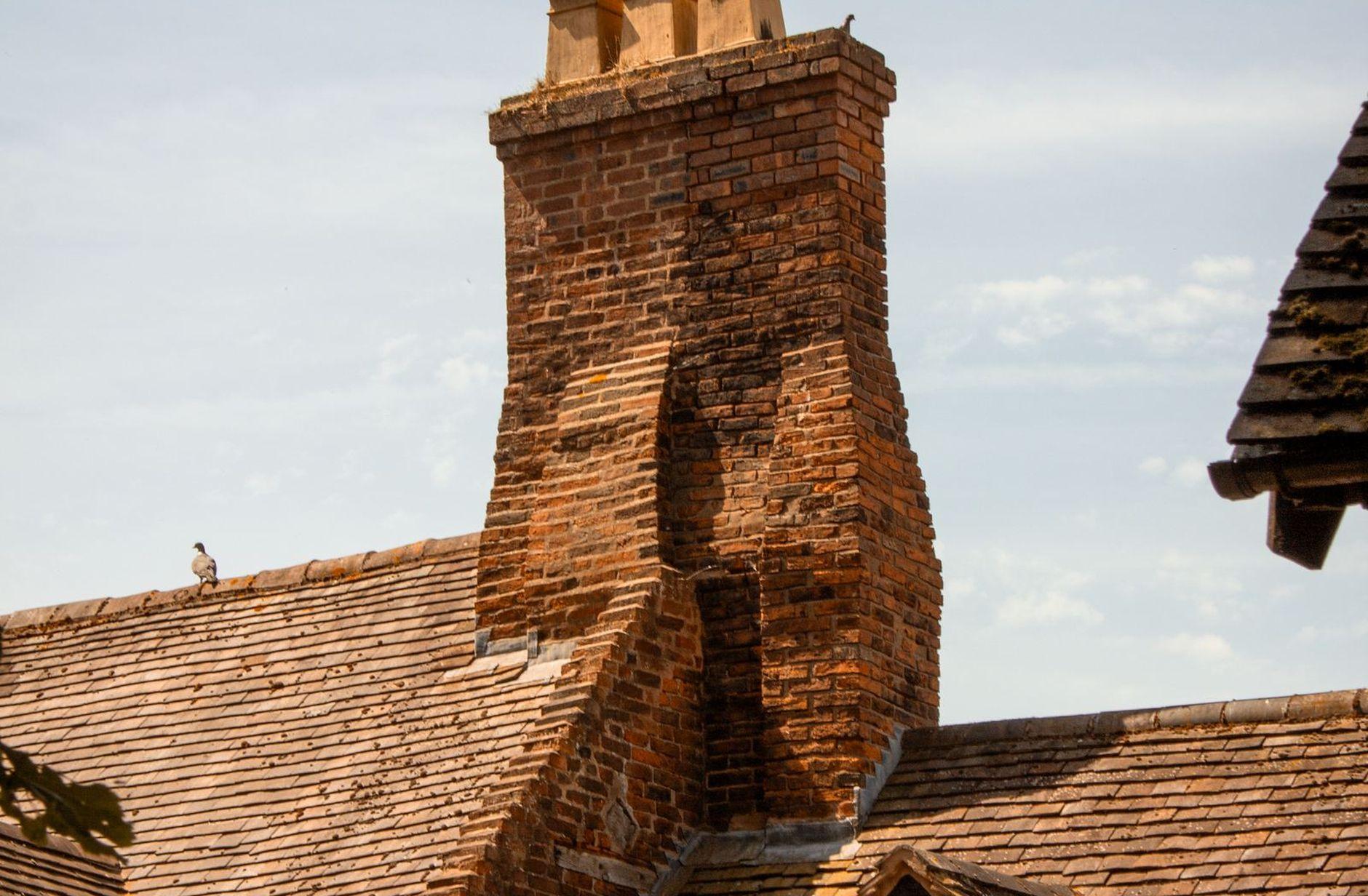
What it is. The crown is the concrete lid on a brick stack. The flue tile rises through its middle, and the brick sits below its edges. Its whole purpose is to keep weather out of the core of the chimney.
How it fails. Many older crowns were troweled on as a thin wash of mortar instead of a cast slab. Sun, rain and the daily swing in temperature open cracks in them, they shrink away from the tile, and water runs straight into the brick. On older Dana Point homes we also find crowns that slope toward the flue rather than away from it.
How we fix it. A crown that is whole but crazed with fine cracks can take a crown sealant that stretches as the slab moves. A crown that is broken, loose or flat comes off and is recast: thicker, pitched outward, projecting past the brick with a drip groove on its underside, and kept apart from the tile by a flexible joint.
What sets the figure. How large the top of the stack is, whether one flue or several pass through it, the state of the brick under the old crown, and the pitch and height of the roof.
The chase cover
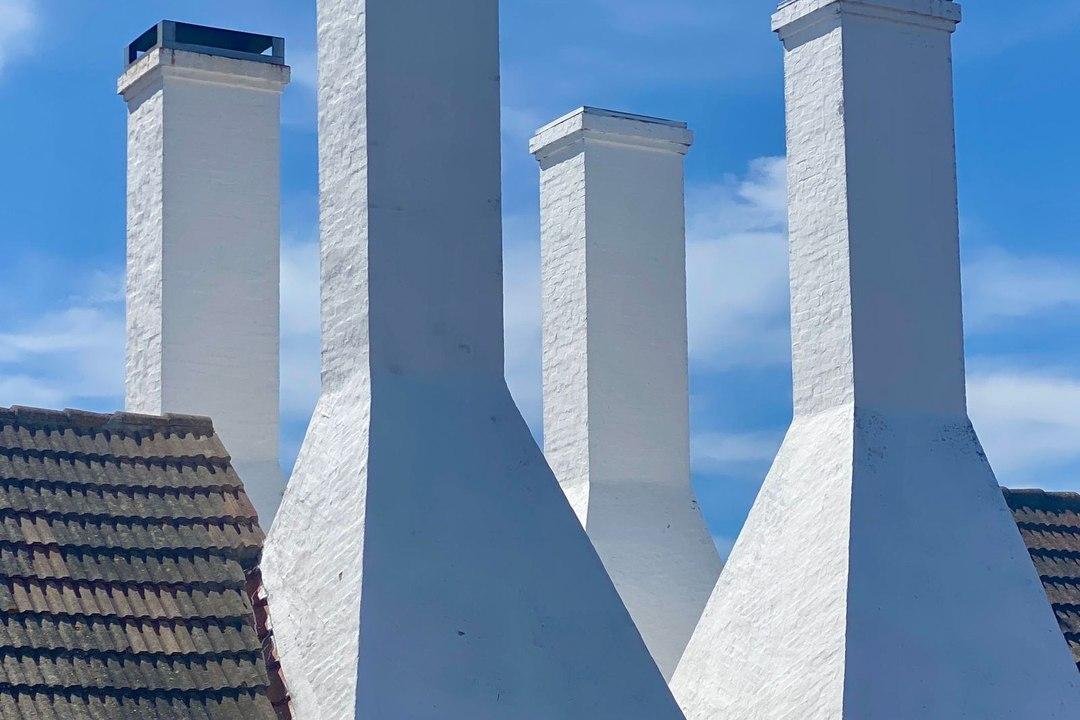
What it is. Many homes built in the last few decades have a factory-built fireplace, and its metal flue climbs inside a framed enclosure that is stuccoed or sided like the rest of the house. A sheet metal lid seals the top of that enclosure, with a collar where the flue comes through and a cap above.
How it fails. Thin galvanized lids rust, especially near the coast, and many were made dead flat. A flat lid holds water, sags, and eventually drains it down the inside of the enclosure, where it soaks the framing and the top of the fireplace. Owners often first spot it as rust streaks on the stucco below the lid, or water on the fireplace's top panel.
How we fix it. A new lid is made to measure in stainless steel or copper, with a gentle rise toward the collar, a skirt that hangs over the sides, and a sealed collar. We look at the framing beneath it too; rot found there is repaired before the new lid goes on.
What sets the figure. The dimensions of the enclosure top, how many collars it needs, the metal, and whether the framing underneath needs work.
The damper
What it is. The metal plate that closes the flue when the fireplace is not burning. Most older masonry fireplaces have a cast iron damper in the throat just above the firebox. Some have a top-sealing damper on the crown, worked by a cable from below.
How it fails. Throat dampers rust, warp or seize. The handle snaps, or the plate drops off its pivots. With a gas log set, the damper must be held open by a clamp, and a missing clamp is a carbon monoxide risk. A damper that will not close lets warm air out all winter and lets salty air and rain in all year.
How we fix it. Freeing and adjusting a sticking plate, replacing a throat damper with a matching part where one is still made, or fitting a damper at the top of the flue. Because a top-sealing unit shuts the flue at its very top, it doubles as a lid against rain and birds when closed.
What sets the figure. The type and size of the damper you have, whether its frame is cracked, whether a matching part exists, and for a top-sealing unit, the flue size.
Why remodel time is the right time
All three repairs are simpler before or during a remodel. The crown and the chase cover are roof jobs that keep the new face dry. The damper sits in the throat, which is often easier to reach while the old surround is off. An insert removes the need for a throat damper altogether, since its liner closes off the flue; that changes the scope, and the survey tells us which way it goes.
How the figure is reached
We look at all three on one visit, often as part of a Level 2 survey at $380, and price each item on its own line. You can approve the crown and leave the damper, or the other way round. To have the three looked at together, request a written repair figure, and tell us whether your chimney is brick or a framed enclosure if you know.
Liners, briefly
If the camera finds cracked tile, or a flue far too large for the appliance you plan, a stainless liner is the usual answer. It is the fourth hidden repair on many remodels; see chimney liner installation and, for the water side, stopping leaks before refacing.
Book the hidden repairs
When a new hearth is on the way in Dana Point or Laguna Niguel, use the contact page to arrange a look at the crown, cover and damper before the finish work starts. Related services: crown repair, chase covers and damper repair.
Weighing This for Your Own Home?
Wakeley Chimney Group measures, brings samples and puts the price in writing before any work starts. We work from Dana Point across Laguna Niguel, San Clemente, Laguna Beach and the rest of Orange County.